
Our solutions make it worse.
Article by Angie Caunce-Paull
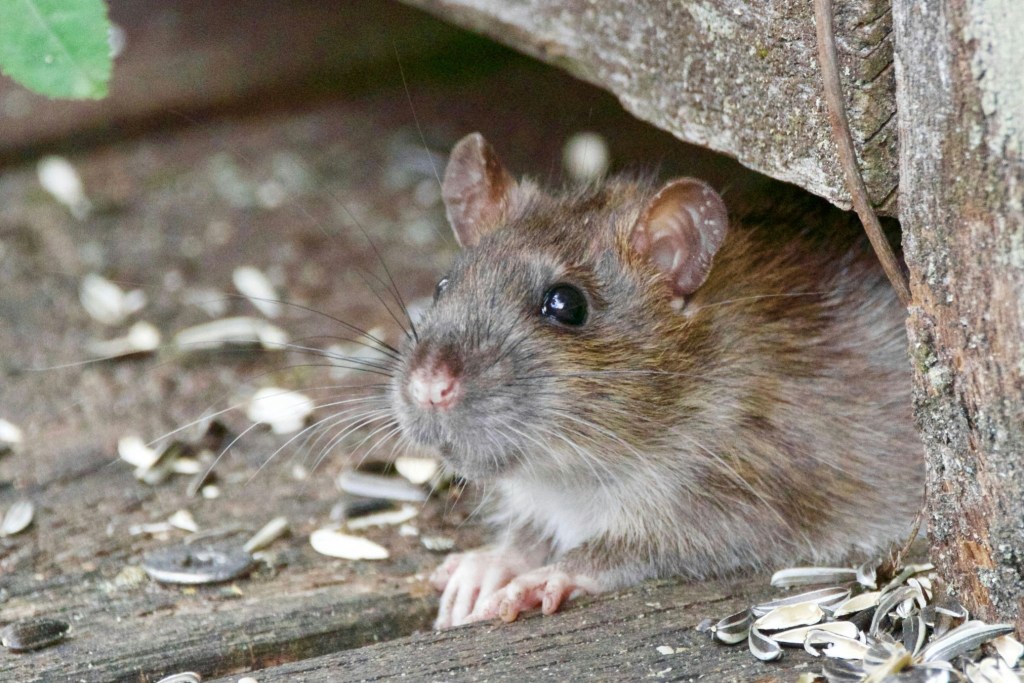
Photo by Svetozar Cenisev on Unsplash
The health concerns associated with rat infestations are credible. Rats can spread bacteria and parasites, with the greatest risk occurring when they enter homes or other living spaces and contaminate food, surfaces, or stored materials. As rat numbers increase, especially during the winter months, their motivation to move indoors increases as well.
Rats are prolific breeders. Pregnancy lasts a mere 21-23 days and females can have 5-7 litters a year producing 6-12 pups per litter. At 5-8 weeks old, female offspring are ready to reproduce. In theory, with optimal conditions one original pair can produce thousands of rats in a single year.
Yikes.
Experiencing a rat problem is no one’s fault. It isn’t because of a single neighbour’s behaviour or because the city was negligent. Rat populations often physically move from one location to another when their habitat is disrupted. This can be due to sewer maintenance, food-based business closures, or significant construction (like the installation of a new light rail Orléans East extension). And it takes the entire community working together to address it.
Rat control starts by reducing food availability, not by targeting creatures that eat
Any Canadian who lives in close proximity to garbage-loving species knows that refuse hygiene is not optional. In bear country, garbage containers are kept in padlocked bins because bears are no joke. Torontonians keep garbage bins in garages or wrapped with bungee cords with heavy weights on the lids because the dozens of racoons who live close by never met a puzzle they couldn’t solve.
You can significantly reduce garbage food availability (for both rats and racoons) by following these simple steps:
- Put all food waste in latched green bins, never in your regular garbage.
- Keep garbage bins tightly closed and stored in protected spaces.
- Put garbage out for pick up the morning of collection, not the night before. Set an alarm if needed.
- Rinse food packaging before putting in the garbage or blue bin. Pet food containers and dairy products, in particular, are a pest magnet.
- Ensure outdoor compost is securely enclosed or get rid of it entirely.
When all residents work together to reduce food availability, rat populations will decline.
The truth about bird feeders
I need to tell you something and you’re not going to like it.
Spilled seed from bird feeders is the biggest culprit for attracting and sustaining rat populations. Birds and squirrels scatter seeds everywhere. Rats are highly opportunistic and will rapidly set up a colony directly underneath or adjacent to a rich, consistent seed source.
But here’s the good news. Birds don’t need your feeders. They need native plants and a clean water source like a micropond. That will bring tons of birds to your yard and attract zero squirrels and chipmunks or invasive birds like starlings and house sparrows. In the spring and summer months, birds need high-protein, soft bodied insects (spiders and caterpillars), not seeds, to feed themselves and their babies. Baby birds cannot digest seeds or fruit. Studies show a single clutch of chickadees require 1000 caterpillars to reach adulthood. And those insects and caterpillars need native plants, trees, and leaf litter.
According to renowned entomologist, Doug Tallamy, native birds only benefit from feeders in the winter months when they require high fat, high protein food like suet to produce more chicks in the spring. This helps declining bird populations rebound faster.
Rats have many natural predators, but we freak out when they show up
Urban ecosystems automatically rebalance themselves based on food availability. Species populations go in cycles. One year we may see a surge in rabbits, the next year it’s foxes drawn by the abundance of rabbits, and so on. When we inadvertently feed rats through poorly managed trash and open bird feeders, we are essentially setting a massive bait trap that draws in larger carnivores.
Coyotes are highly adaptable urban hunters. When rat populations explode in our neighbourhoods (which they did), coyotes naturally follow the food source (which they have). They are actively providing an invaluable municipal service by keeping rodent populations from completely overwhelming the infrastructure. Sadly, they also prey on our small family pets. Our concern about these predators and actions to keep them out of our neighbourhoods means more rats and ultimately more predators. The concern is justified but our actions are not the solution we need.
Don’t hate the player
The current local coyote sightings are a symptom, not the root disease. If we collectively eliminate ground-level bird seed overflow and manage our trash more effectively, the rats will decline. Once the rat population drops due to better sanitation, the local urban coyote packs will naturally migrate out of residential neighbourhoods and back into denser green belts and rural areas in search of wild prey.
The problem with poison
Like it or not, rats are part of the food chain and rat poison creates a harmful knock on effect through secondary poisoning. Many common rodenticides work by disrupting blood clotting, causing internal hemorrhaging which takes several days to take full effect. During that time, the rat becomes lethargic, slow, and disoriented. Apex predators like coyotes, foxes and owls are the most likely to find and consume these easy-to-catch rats, ingesting a lethal dosage of infected tissue in the process. They, in turn, succumb to internal bleeding, harming vulnerable and vital species.
If that doesn’t concern you, consider all of our four-legged friends with high prey drives: Terriers, Schnauzers, Huskies, and Shepherds. These dog breeds are hardwired to chase, catch, and frequently swallow small, fast-moving animals. Our large outdoor cats are also driven by instinct to catch and eat rodents. Because the poisoned rat has been eating bait over several days, its tissues are saturated with highly concentrated toxins. If your pet catches and eats that rat, it consumes the accumulated toxic dose, risking lethal (and very painful) internal hemorrhaging.
Ultimately, chemical poisons backfire by wiping out natural predators, making the rat problem worse in the long run. But, when we focus on structural solutions: locking down waste bins, pausing bird feeders, and keeping our pets indoors until predators move back to wild spaces, we keep the rats out and our pets safe.


Leave a Reply
You must be logged in to post a comment.